

A GAP analysis is a transformative tool that identifies the difference between where an educational system stands today and where it needs to be. With insights from Hirav Shah, India and USA’s TOP Business Strategist, let’s explore how this approach can revolutionize education.
Table of Contents
Key Aspects of GAP Analysis in Education

Here are critical areas where GAP analysis can drive improvement:
1. Curriculum Development
Ensures the curriculum meets modern standards and student needs.
2. Teacher Competency
Assesses teacher skills against evolving demands.
3. Student Performance
Compares outcomes to benchmarks for targeted interventions.
4. Resource Allocation
Evaluates resource availability and quality.
The Role of a Strategist in GAP Analysis

A business strategist like Hirav Shah, The Value Accelerator, plays a pivotal role:
- Vision Setting: Defines clear, achievable goals for the educational system.
- Data Analysis: Interprets performance metrics to identify gaps.
- Solution Design: Crafts actionable plans, like teacher training programs.
- Resource Optimization: Ensures funds and efforts focus on high-impact areas.
Calculations for Impact

Budget Allocation Example:
Current tech budget: $50,000 | Desired (for 100 computers @ $500 each): $50,000
GAP = Desired – Current = $50,000 – $50,000 = $0 (fully funded)
If only $30,000 is available, GAP = $50,000 – $30,000 = $20,000 shortfall.
Student Performance Improvement:
Current pass rate: 70% | Target: 90% | Students: 200
Current passers: 70% of 200 = 140 | Target passers: 90% of 200 = 180
GAP = 180 – 140 = 40 students needing support.
About Hirav Shah

Hirav Shah, Founder of Bizz6 – The World’s First Business Hub to Diagnose, Transform, Accelerate, Exit, Flip, and Validate for Complete Success, is an Innovation Catalyst. Having authored 18 Business Books, many bestsellers, he’s transformed countless organizations as a Business TURNAROUND and VALIDATION Expert.
Ask Hirav FAQs
Q: How often should GAP analysis be conducted?
A: Annually or when major changes (e.g., new standards) occur.
Q: Can small schools afford GAP analysis?
A: Yes, it’s scalable—start with free data like test scores and surveys.
Q: How does Hirav Shah approach education gaps?
A: As The Value Accelerator, he blends data-driven insights with innovative strategies for measurable results.
What aspects of an educational system can be developed via GAP analysis?
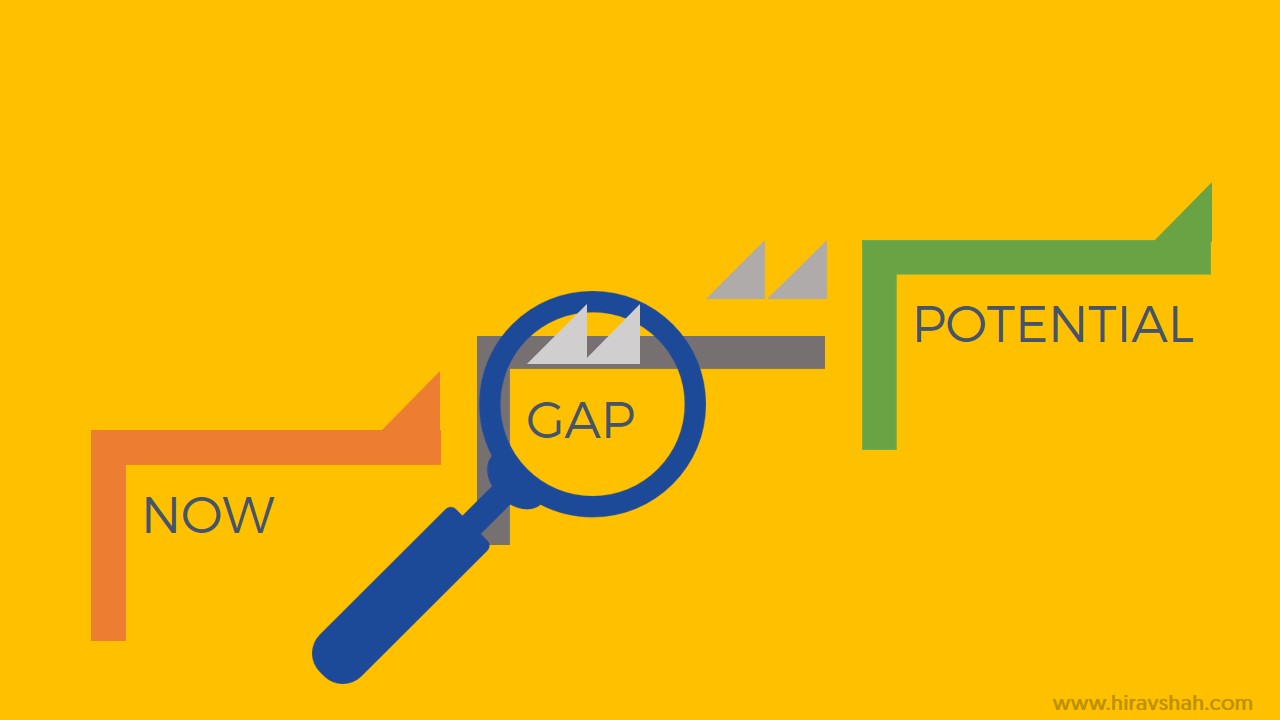
A GAP analysis is a strategic tool that can help identify the differences—or “gaps”—between the current state of an educational system and its desired future state. By applying this framework, various aspects of an educational system can be evaluated and developed. Here are some key areas where GAP analysis can be effectively utilized:
- Curriculum Design and Content:
- Current State: Assess the existing curriculum—what subjects are taught, how they align with current standards, and their relevance to modern workforce needs or student interests.
- Desired State: Define an ideal curriculum that incorporates emerging fields (e.g., AI, sustainability), critical thinking, or inclusivity.
- Gap: Identify outdated content, missing skills (e.g., digital literacy), or misalignment with educational goals.
- Teaching Methods and Pedagogy:
- Current State: Evaluate how teachers deliver lessons (e.g., lecture-based, hands-on, remote).
- Desired State: Aim for innovative, student-centered approaches like project-based learning or flipped classrooms.
- Gap: Highlight areas where training or resources are needed to shift from traditional to progressive teaching styles.
- Student Performance and Outcomes:
- Current State: Analyze student grades, graduation rates, or skill acquisition metrics.
- Desired State: Set targets for improved academic success, employability, or holistic development (e.g., emotional intelligence).
- Gap: Pinpoint underperforming areas, such as specific subjects or demographics needing extra support.
- Technology Integration:
- Current State: Review the use of tech tools—computers, learning management systems, or virtual labs.
- Desired State: Envision a fully integrated, tech-savvy system with equitable access to digital resources.
- Gap: Identify shortages in hardware, software, or teacher training for tech adoption.
- Teacher Training and Professional Development:
- Current State: Examine the qualifications, skills, and ongoing training of educators.
- Desired State: Establish a goal for all teachers to be proficient in modern pedagogy and specialized areas.
- Gap: Determine needs for upskilling, certification programs, or mentorship opportunities.
- Infrastructure and Resources:
- Current State: Assess physical facilities (classrooms, libraries) and resources (textbooks, labs).
- Desired State: Plan for state-of-the-art facilities and adequate supplies for all students.
- Gap: Highlight funding shortages, overcrowding, or disparities in resource distribution.
- Equity and Accessibility:
- Current State: Investigate access to education across socioeconomic, geographic, or cultural groups.
- Desired State: Aim for an inclusive system where every student has equal opportunities.
- Gap: Uncover barriers like transportation issues, language barriers, or lack of special education support.
- Parental and Community Involvement:
- Current State: Measure how engaged parents and local communities are in the educational process.
- Desired State: Seek active partnerships to enhance learning (e.g., volunteering, funding).
- Gap: Identify communication breakdowns or lack of outreach programs.
- Assessment and Evaluation Systems:
- Current State: Look at how student progress and teacher performance are measured (e.g., standardized tests).
- Desired State: Develop a balanced system that values creativity and practical skills alongside academics.
- Gap: Spot over-reliance on outdated metrics or insufficient feedback mechanisms.
- Funding and Budget Allocation:
- Current State: Review current financial resources and how they’re distributed.
- Desired State: Ensure sustainable funding for all critical areas (e.g., salaries, tech, extracurriculars).
- Gap: Detect underfunded programs or inefficiencies in spending.
By conducting a GAP analysis across these aspects, stakeholders can prioritize interventions, allocate resources effectively, and create actionable plans to bridge deficiencies. The process fosters a proactive approach to evolving an educational system that meets both current demands and future aspirations. Would you like me to dive deeper into any of these areas?