
Every business hits a wall at some point.
The leads slow down. Cash flow tightens. Teams lose momentum. Strategies that once worked… stop delivering.
It’s frustrating. It’s confusing. But here’s the good news—it’s also fixable.
According to Business Strategist Hirav Shah, being stuck doesn’t mean you’re failing. It simply means you’ve outgrown your current approach. And the faster you stop guessing and start validating, the sooner you can turn things around—with precision and peace of mind.
In this article, we’ll explore the 4-step turnaround strategy that’s helped businesses across industries bounce back stronger, smarter, and more aligned. No panic. No noise. Just clarity.
Every business begins with passion, purpose, and possibility. But somewhere along the way, things slow down—or worse, stop working altogether.
Sales dip. Customers leave. Energy fades. It feels like you’re running in circles instead of moving forward.
So what really happens when a business gets stuck? And more importantly—how can you turn things around without panic, confusion, or costly trial and error?
Let’s begin from the basics.
Table of Contents
What Does It Mean When a Business Is Stuck?

A stuck business is not a failed business. It’s one that has paused progress—where inputs no longer produce desired outcomes.
It could look like:
- Plateaued revenue
- Low team morale
- Declining customer engagement
- Marketing that no longer converts
- Confusion about what’s next
“Being stuck is a signal, not the end. It means what got you here won’t get you there.” — Hirav Shah
Why Do Businesses Get Stuck?

Even good businesses get stuck. Why?
Because business is not linear. Markets evolve. Customer behavior shifts. Teams change. What once worked may now be outdated.
Common Reasons:
- Strategy is outdated or unclear
- Execution is inconsistent or scattered
- Leadership burnout or lack of clarity
- Misalignment between product and market needs
- Timing is off (seasonal or energetic)
“Businesses don’t fail because they’re bad. They fail because they stop evolving.” — Hirav Shah
What Is the Probability of Turnaround?

More than you think. A stuck business can bounce back faster than expected—if the root issues are addressed and action is taken swiftly and strategically.
Turnarounds are not rare. They are the norm for resilient entrepreneurs who refuse to give up.
“The probability of turnaround rises dramatically when you combine self-awareness with strategic action.” — Hirav Shah
What Is SWOT and GAP Analysis?
Before jumping into solutions, two critical tools help clarify your reality:
SWOT Analysis:
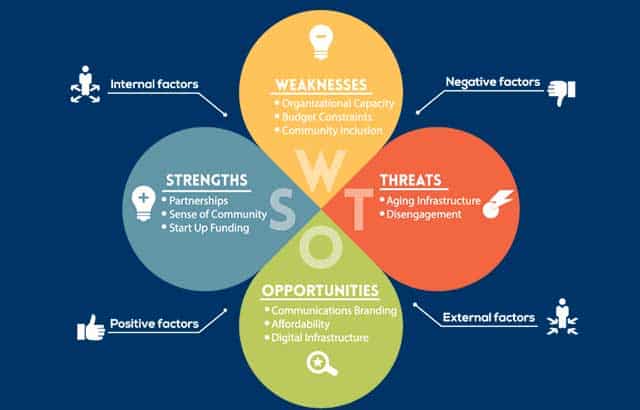
- Strengths: What are you great at?
- Weaknesses: Where are you vulnerable?
- Opportunities: What can you capitalize on?
- Threats: What risks or trends could hurt you?
GAP Analysis:

- Where are you now?
- Where do you want to be?
- What’s missing in between?
“Without clarity of your current position, no destination will feel right.” — Hirav Shah
Who Should Diagnose This?

Most founders are too close to their business to see the full picture. That’s where external validation and advisory come in.
A business strategist, turnaround consultant, or external advisor can help:
- Audit your operations and positioning
- Provide unbiased perspective
- Identify hidden gaps and misalignments
“The right diagnosis is half the solution.” — Hirav Shah
Every Business Is Good—Then Why Do Some Fail?

Because success is not just about product or passion. It’s about alignment.
Businesses fail when:
- Timing is off
- Execution is weak
- The founder lacks clarity or energy
- Growth happens without systems
“Good ideas don’t guarantee success. Aligned execution does.” — Hirav Shah
What’s Usually Missing in a Stuck Business?

Here’s what most stuck businesses lack:
- Clear direction
- Validated strategy
- Energetic alignment
- Strong execution rhythm
- Market-timing connection
That’s where the Turnaround Strategy begins.
Let’s explore the 4-Step Turnaround Framework Hirav Shah uses to help businesses reset and relaunch.
Step 1: Diagnose – Understand Where You’re Actually Stuck
Before you fix anything, you have to know what’s really broken. Most businesses waste time treating symptoms (like poor sales or low engagement) without identifying the root problem.
“You can’t change what you haven’t diagnosed. And you can’t grow what you don’t understand.” — Hirav Shah
What This Means:
- Step back and look at the whole picture: operations, team, mindset, execution, marketing, even timing.
- Ask: Is it a strategy issue? A team issue? A product-market fit issue? A mindset block?
Why It Matters:
You might think sales are low because of marketing—but it could be a positioning issue or wrong timing.
Real Story:
A salon chain thought their marketing team wasn’t performing. But upon diagnosis, the issue was outdated branding and unclear offers. Once repositioned, their conversions tripled—with the same team.
How to Do It:
- Score your business across the 6+3+2 elements
- Talk to customers, review metrics, observe team morale
- Get an outside perspective (consultant, mentor, advisor)
Step 2: Simplify – Cut the Clutter, Refocus Your Energy
Once you identify the issue, the next step is not to do more—it’s to do less. Most stuck businesses are overwhelmed by too many offers, platforms, tasks, or decisions.
“Simplicity is not a step back—it’s the fastest way forward.” — Hirav Shah
What This Means:
- Trim what’s not working
- Eliminate vanity tasks
- Focus only on what moves the needle
Why It Matters:
Clarity creates confidence. Confidence fuels action. And focused action leads to momentum.
Real Story:
A coaching business offered 7 services but couldn’t grow. They simplified to 2 core offerings, repositioned their messaging, and saw a 40% increase in monthly revenue.
How to Do It:
- Review every task, offer, and expense
- Ask: Does this contribute directly to growth?
- Kill distractions. Streamline your workflow and communication.
Step 3: Align – Reconnect Strategy with Timing, Energy & Team
You’ve cleared the clutter. Now it’s time to align. Even the best plan will fail if launched at the wrong time or with the wrong energy.
“Success is rarely about doing more. It’s about doing the right thing at the right time with the right people.” — Hirav Shah
What This Means:
- Match your strategy with market timing
- Recheck internal energy and leadership clarity
- Align team roles with strengths
Why It Matters:
Misalignment leads to resistance. Aligned teams and timing lead to flow.
Real Story:
A tech startup delayed its new feature launch by 60 days after realizing it clashed with a low-energy market cycle. With corrected timing and team support, they hit 200% of their user growth target.
How to Do It:
- Use Astro Strategy to validate timing
- Communicate the new direction clearly to your team
- Re-energize the environment (rituals, rewards, focus meetings)
Step 4: Execute – Take Bold, Aligned, Consistent Action
This is where most businesses stall again. They diagnose, simplify, and align—but don’t execute consistently.
“Breakthroughs don’t come from brilliance—they come from disciplined action.” — Hirav Shah
What This Means:
- Show up every day—even when momentum feels slow
- Track progress weekly
- Adjust, don’t abandon
Why It Matters:
Consistency builds compound impact. You don’t need magic. You need motion.
Real Story:
A boutique agency stuck at 5 clients for over a year started executing a 90-day visibility and sales routine. Week by week, they refined and repeated. Within 4 months, they doubled revenue—without adding staff.
How to Do It:
- Commit to a 90-day execution sprint
- Create accountability (daily stand-ups, weekly reviews)
- Keep going even when progress is slow—it adds up fast
Final Thought – Stuck Is a Signal, Not the End

Every stuck phase is a message. Not to quit—but to pause, reassess, and reset.
When you follow these 4 steps—Diagnose, Simplify, Align, Execute—you’re not just turning things around. You’re rebuilding on a stronger foundation.
Because businesses don’t break overnight—and they don’t heal by chance. They transform when strategy, timing, mindset, and energy work together.
“When you stop guessing and start validating, clarity becomes your momentum.” — Hirav Shah