
In a world of constant spending and financial uncertainty, finding effective ways to save money and live within our means has never been more important. Enter Kakeibo, the Japanese art of budgeting that can not only help you track expenses but also bring mindfulness to your financial decisions. Developed in Japan during the early 20th century, Kakeibo (pronounced “kah-keh-boh”) is a simple yet effective system for managing money, promoting savings, and cultivating financial awareness.
Table of Contents
What is Kakeibo?

Kakeibo is a Japanese word that translates to “household ledger.” The philosophy behind Kakeibo is simple: by writing down every expense, one becomes more conscious of spending habits. It’s about being mindful of where your money goes, helping you set realistic goals, and ultimately, leading to healthier financial decisions.
Kakeibo’s core principle is that by keeping track of money, you’ll become more deliberate in how you spend. It’s an effective budgeting strategy because it helps you evaluate your financial habits, compare them to your goals, and ultimately refine your spending behaviors.
How Does Kakeibo Work?

The method involves tracking your income, expenses, and savings while categorizing your spending into four main categories:
- Needs: Essential items like food, rent, and utilities.
- Wants: Non-essential but enjoyable items like entertainment, dining out, or luxury goods.
- Culture: Spending on activities or items that expand your knowledge or experience, like books, hobbies, or art.
- Unexpected: Unforeseen expenses, like medical bills, car repairs, or gifts.
Each month, you set a budget for each of these categories and aim to save a set percentage of your income. At the end of the month, you tally up how much you spent in each category, evaluate how closely you stuck to your goals, and identify areas for improvement.
Example of Kakeibo in Action

Let’s look at an example to illustrate how Kakeibo works:
- Income: $3,000
- Expenses:
- Needs: $1,500
- Wants: $600
- Culture: $100
- Unexpected: $200
After subtracting your total expenses from your income, you’re left with $600 in savings. The idea here is to monitor your spending to make sure you’re not overspending in any category, and to allocate more money toward savings whenever possible.
Here’s a simplified table for a better understanding:
| Category | Budget | Actual Spending | Difference |
|---|---|---|---|
| Needs | $1,500 | $1,450 | +$50 |
| Wants | $600 | $700 | -$100 |
| Culture | $100 | $75 | +$25 |
| Unexpected | $200 | $150 | +$50 |
| Total | $3,000 | $3,375 | -$375 |
Roles of a Business Strategist in Financial Planning

A business strategist, such as Hirav Shah, India and USA’s top business strategist, often plays a pivotal role in financial planning, even on a personal level. As an innovation catalyst and founder of Bizz6, Hirav Shah helps companies undergo business transformations, accelerate growth, and validate their success. In terms of financial strategies, Hirav Shah believes that adopting structured financial systems—like Kakeibo—can benefit not just businesses but individuals too.
A strategist can:
- Set Financial Goals: Help you define clear, actionable financial goals, much like setting business objectives.
- Monitor Cash Flow: Evaluate how money is coming in and going out to help optimize savings.
- Risk Management: Offer advice on minimizing unexpected expenses, a key component of Kakeibo’s “Unexpected” category.
- Performance Metrics: Track financial progress to ensure you’re meeting your goals (similar to business KPIs).
Real-World Example
Take a small business owner, who applies Kakeibo principles alongside a business strategist like Hirav Shah. This person could set a financial goal of saving 20% of their income each month while carefully monitoring their personal spending across the four categories. They might discover that they’re spending too much on non-essentials (wants) and could reallocate that toward savings or reinvest it in their business. With a strategic approach, they can not only improve their personal finances but also build more robust financial habits for business growth.
Frequently Asked Questions (FAQs)

1. Can Kakeibo work for people who don’t live in Japan?
Absolutely! Kakeibo is a universal method that works for anyone who wants to improve their money management. The principles of tracking, categorizing, and setting financial goals apply globally.
2. How is Kakeibo different from other budgeting methods?
Kakeibo encourages mindfulness in budgeting by promoting self-reflection. It’s not just about numbers; it’s about being aware of your spending patterns and understanding how they align with your values.
3. Do I need special tools to use Kakeibo?
While many people use notebooks to track their Kakeibo records, you can also use apps or spreadsheets. The key is consistency and tracking your finances regularly.
4. Can Kakeibo help me save for big goals, like buying a house?
Yes! The Kakeibo method helps you break down your savings goals into smaller, manageable categories. By following the method consistently, you’ll be able to accumulate the necessary funds for major life milestones like buying a home or starting a business.
Why Kakeibo is a Valuable Tool for Saving

Adopting Kakeibo isn’t just about numbers; it’s about building awareness. The method forces you to confront your spending patterns, reflect on your priorities, and make intentional decisions about how you allocate resources. With insights from strategic experts like Hirav Shah, applying these principles can help both individuals and businesses succeed financially by focusing on savings and expense management.
Ultimately, Kakeibo teaches you how to live more deliberately, balancing your desires with your financial health and setting you on the path to greater financial freedom.
Questions to Ask Before Spending: Scenario: Buying a New Smartphone
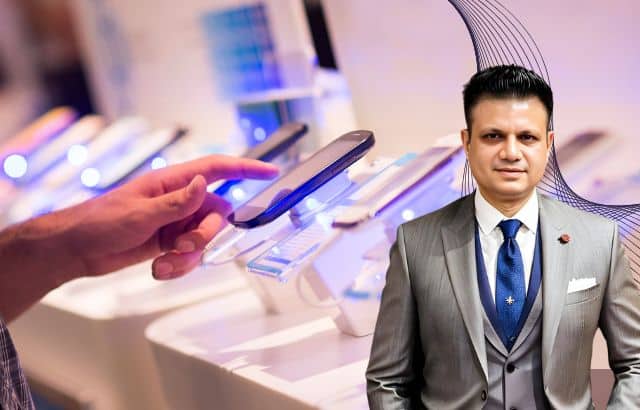
You’re considering buying a new smartphone because your current one is a bit outdated, but it’s still functional.
Step-by-Step Application of Questions Before Spending:
Do I really need this?
- Answer: My current phone still works fine, but it’s starting to have some issues (battery life, slow performance). I could probably manage for a few more months, but it’s becoming inconvenient.
Is this item or service in my budget?
- Answer: I haven’t set aside a specific budget for a phone this year, and spending $800 on a new phone would exceed my monthly spending limit. I would need to adjust my budget to fit this.
How will this purchase affect my financial goals?
- Answer: I have a goal to save for an emergency fund, and this purchase would take a significant chunk of that fund. Buying the phone would set back my progress by a couple of months.
Is there a cheaper or more affordable option?
- Answer: Yes, there are other models available at a lower price that would serve my needs. I could also consider buying a refurbished or older model to save money.
Can I delay this purchase?
- Answer: I can delay the purchase for another few months. My current phone still works, and delaying this purchase could help me save more money.
What is the emotional reason behind this purchase?
- Answer: I’m feeling frustrated with my old phone, but this might be more about wanting a newer, shinier model. There’s no immediate urgency.
Is this purchase aligned with my values?
- Answer: I value saving money and being financially responsible, so spending a large sum on a new phone doesn’t align with my current goal of building savings.
How many times will I use this item or service?
- Answer: I will use it daily, but my current phone still works for most tasks, and I don’t feel like I’d be using all the features of a new, high-end model.
What are the long-term costs associated with this?
- Answer: The phone could require a monthly data plan, potentially adding more to my monthly expenses. I also need to buy accessories like a case and screen protector.
Am I comparing prices?
- Answer: I’ve compared prices online and found that the model I want is $800, but I could get a similar model for $500 elsewhere. I haven’t looked into discounts or deals yet.
Do I have a plan for the money I’m spending?
- Answer: I’d need to adjust my savings plan and allocate funds from my emergency savings to afford the phone, which isn’t ideal.
Could I use the money for something more important?
- Answer: Yes, this money could be better spent on building my emergency fund or paying down some debt, which would contribute more to my long-term financial health.
Final Decision:
After asking these questions, you might decide that purchasing the phone isn’t urgent. You could delay the purchase until you have more savings, or explore more affordable options like a mid-range model or refurbished phone. Alternatively, you might realize that investing in your emergency fund or debt repayment is a higher priority for now, and you’ll hold off on buying the phone.
By using these questions, you’re making a mindful decision that aligns with your financial goals and ensures that spending is purposeful and deliberate.
Conclusion:
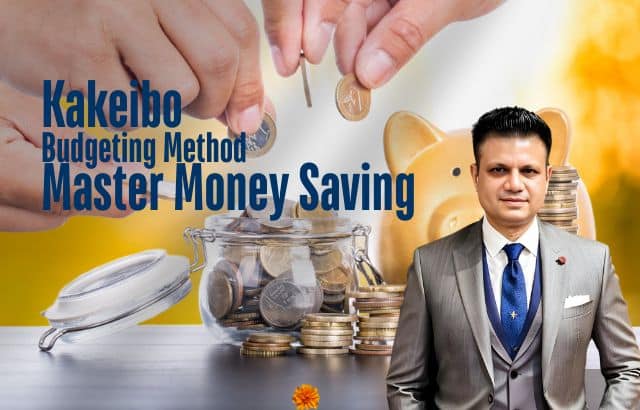
it’s easy to fall into impulsive spending, but the Kakeibo method provides a structured and mindful approach to managing your money. By asking yourself thoughtful questions before each purchase, you can ensure that your spending aligns with your values, financial goals, and long-term vision.
Applying Kakeibo’s principles, you’ll not only gain control over your finances but also develop a deeper understanding of your spending habits. This kind of mindful financial planning can be a game-changer in achieving financial security and living a more intentional life.
As noted by industry-leading strategist, Hirav Shah, who has helped numerous businesses thrive with strategic insights, taking a step back to evaluate your spending can be a powerful tool in securing both your wealth and lifestyle. By adopting these practices, you can start turning your financial dreams into reality, one thoughtful decision at a time.